Monday, February 2, 2026

What awaited me was an ethereal showcase of Filipiniana couture—pieces rooted in heritage yet alive with modern silhouettes, texture, and movement. Opened on October 11, 2025 as a kickoff exhibition for the Iloilo Arts Festival 2025, the show paired Tesoro’s delicate craftsmanship with a vibrant mix of paintings and wooden sculptures, creating a quiet dialogue between tradition and contemporary expression.
These images are moments I lingered over—captured for posterity, memory, and inspiration. Do enjoy the visuals.


Saturday, November 29, 2025

My favorite corner of the museum is the cartography section—an absolute delight for a map lover like me. The archaeological, ethnographic, and maritime historical collections are equally fascinating. With its expansive layout, soaring ceilings, and blissfully cold air-conditioning (a welcome contrast to Cebu’s heat and humidity), the museum invites visitors to slow down, wander, and fully absorb the displays.
Right beside NMP Cebu is Fort San Pedro, the historic military defense built during the Spanish colonial period under Miguel López de Legazpi. Designed in the Italian-Spanish style of fortification, the compact structure can be explored in under 30 minutes. A small colony of well-fed resident cats adds unexpected charm to the experience, often lounging along the fort’s weathered cobblestones.
Both the National Museum and Fort San Pedro are a short 10-minute walk from the Basilica Minore del Sto. Niño de Cebu and the Magellan’s Cross Shrine—making this heritage-rich corner of the city perfect for a half-day cultural stroll. The Plaza Independencia landmarks are best explored on weekends after a pilgrimage and mass in the Basilica.
 To
To


Wednesday, July 23, 2025


Wednesday, May 21, 2025

Friday, May 9, 2025

This 48-hour Iloilo City travel guide is written from a local’s perspective and designed for flexible travel. Mix and match stops depending on your mood, energy, and appetite.
Why Visit Iloilo City?
Iloilo City offers a rare balance of old and new. You’ll find centuries-old churches beside modern art museums, riverside walks minutes away from cafés, and some of the best food in the Visayas—all without the rush of bigger cities.
As a UNESCO Creative City of Gastronomy, Iloilo doesn’t just feed you well—it feeds you with heart.
Day 1 in Iloilo City: Heritage, Art, and Local Flavor
Morning: Iloilo River Esplanade and Breakfast Spots
Start your day with an early walk along the Iloilo River Esplanade, one of the city’s most beloved public spaces. Lined with mangroves and shaded paths, it’s especially peaceful in the morning when the city is just waking up.
For breakfast and coffee near the esplanade, try:
-
Drip Cafe Coffee and Community (Diversion Road)
-
Cafe Augusto (Molo), known for Ilonggo pamahaw and full English breakfasts
Right beside Cafe Augusto is Panaderia de Molo, a heritage bakery famous for local biscuits and pastries—perfect for pasalubong.
Midday: Jaro Cathedral, Molo Church, and Historic Plazas
No Iloilo heritage itinerary is complete without visiting its iconic churches:
-
National Shrine of Our Lady of Candles (Jaro Cathedral)
-
St. Anne’s Church in Molo, often called a feminist church for its female saint imagery
Relax at Graciano Lopez Jaena Plaza near Jaro Cathedral, then enjoy lunch at Agatona 1927 Museum Café, a restored heritage home serving comfort food with history.
Across Molo Church, take a leisurely break at Molo Plaza, then explore the food and crafts market at Molo Mansion, a favorite stop for local souvenirs.
Afternoon: Art Museums and Creative Spaces
Spend the afternoon exploring Iloilo’s growing contemporary art scene:
-
Iloilo Museum of Contemporary Art (ILOMOCA)
-
Brandy Museum at Festive Walk Parade
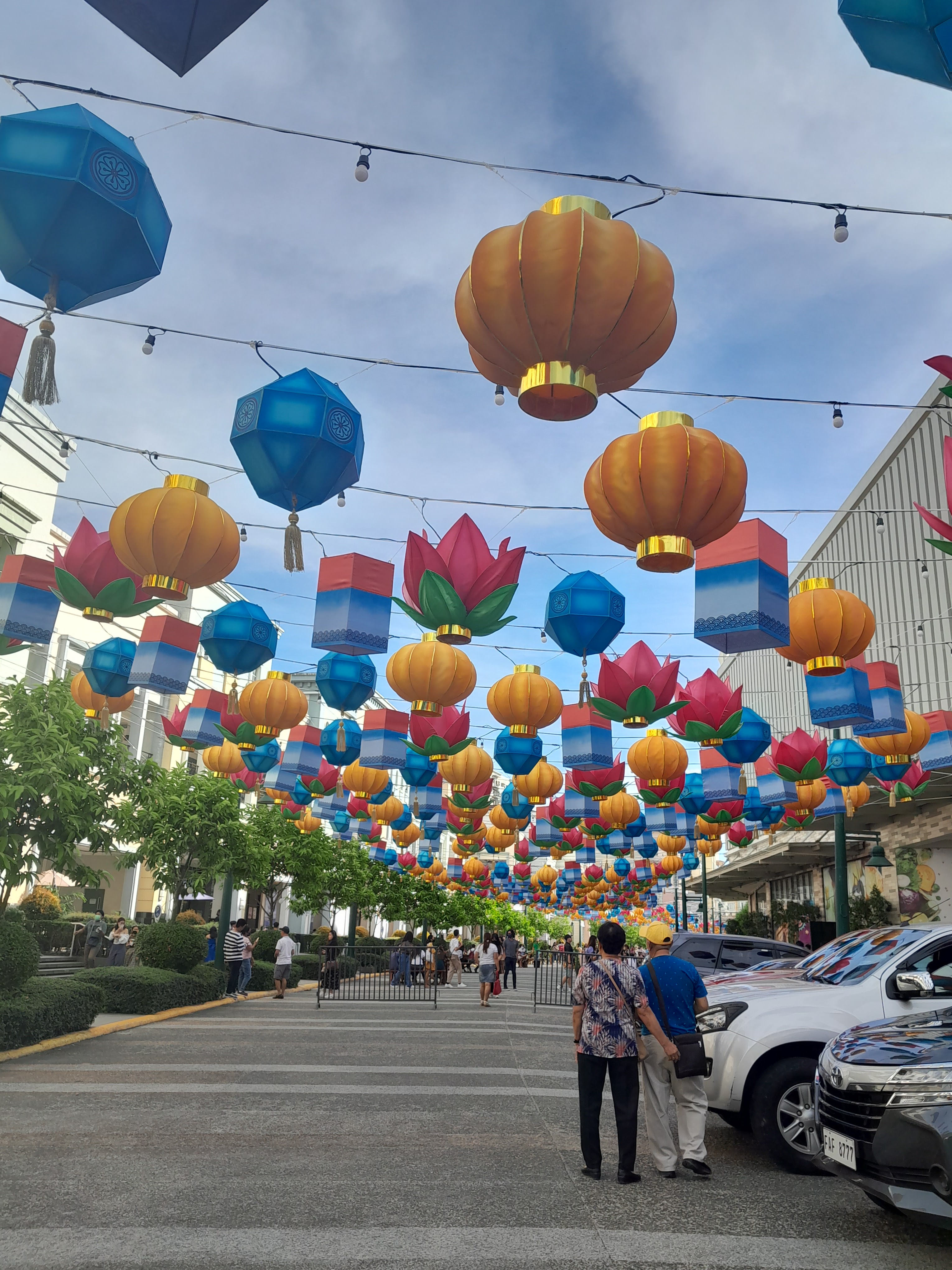
Walk through K-Town for lantern-lit streets and outdoor dining, and browse artisan finds at Festive Mall. If time permits, visit Thrive Art Gallery at The Shops at Atria for rotating exhibits by Ilonggo artists.
Coffee stops worth noting:
-
Born in Bread for croissants
-
Neighbor Coffee for Lavender Matcha or Apple Lavender Americano
Evening: Calle Real, Museums, and Local Dining
Head to Calle Real, Iloilo City’s historic commercial street, for heritage architecture and vintage shops. Nearby museums include:
-
National Museum of Natural History (Iloilo)
-
Museum of Philippine Economic History
End your walk at Plaza Libertad, then visit San Jose Placer Church or Fort San Pedro for sunset views toward Guimaras Island.
For dinner, locals love Beige Eatery, known for comforting Ilonggo dishes. Namit guid.
Tip: If you prefer guided sightseeing, the Iloilo City Heritage Tour on Klook is a convenient option for first-time visitors.
Day 2 in Iloilo: Countryside and Island Escapes
Morning: Miag-ao Church and Southern Iloilo
Travel south to visit Miag-ao Church, a UNESCO World Heritage Site and one of the most important historical landmarks in the Visayas. The drive offers scenic coastal views, especially in the early morning.
Food stops along the way include:
-
Mrs. Wharton’s London Bakes and British Teas (Oton)
-
Tatoy’s Manokan and Seafoods (Arevalo)
-
Breakthrough Restaurant for classic Ilonggo seafood
Iloilo’s reputation as a gastronomic destination truly shines in these countryside stops.
Afternoon: Guimaras Island Day Trip
From Iloilo City, take a short ferry ride to Guimaras Island, known for its laid-back beaches and rural charm. Choose a beach resort for a slow afternoon, or explore inland attractions such as:
-
San Lorenzo Wind Farm
-
Trappist Monastery café and gift shop
-
Casitas de Palma
Guimaras is an ideal side trip for travelers who want a quieter island experience.
Travel Tips for Visiting Iloilo City
-
Best time to visit: November to February for cooler weather
-
Getting around: Taxis, ride-hailing apps, and tricycles are widely available
-
Where to stay: Mandurriao and City Proper offer convenient access to major attractions
Final Thoughts: Why Iloilo City Is Worth the Visit
Iloilo City doesn’t try to impress—it simply welcomes you. With its walkable streets, rich history, creative food culture, and warm locals, it’s the kind of place that stays with you long after you leave.
Whether you’re visiting for a weekend or longer, this 48-hour Iloilo City itinerary offers a thoughtful way to experience the City of Love—at your own pace.
Kit-anay kita sa Iloilo.




Social Media
Search